
Planning Roofing Work in Harold Hill: What to Agree Before the Job Starts
Most homeowners do not arrange roofing work very often. You might know that the gutters need attention or that a section of roof covering has deteriorated, but the practical side of the job can feel unfamiliar.
Where will the materials go? Will scaffolding affect the driveway? What happens if the weather changes? Who should you speak to if the roofer discovers another problem?
For a Harold Hill household, agreeing these details before work begins can make a considerable difference. A good result involves more than the finished roof. It also involves a job that is properly explained, organised around the property and completed with a clear handover.
Here is how to prepare without turning a straightforward project into an endless list of worries.
Get a clear description of the work
Before discussing dates, make sure you understand what is being proposed.
There is a difference between replacing a few damaged tiles, renewing a section of covering and carrying out a complete roof replacement. Similar-looking quotations may describe different amounts of work.
Ask the roofer to identify the affected area and explain what will be removed, repaired or renewed. If photographs are available, use them to follow the explanation.
A written description helps prevent misunderstandings later. It also gives you something meaningful to compare if you obtain more than one quotation.
The cheapest figure is not automatically the best value, particularly if it excludes access equipment, waste disposal or essential work around the edges of the roof.
Discuss access around your home
Roofers need safe access to the working area. The arrangement will depend on the job, the building and the space available.
For a Harold Hill property with a narrow side passage, a rear extension or limited parking, it is useful to discuss access during the assessment. Do not wait until the first morning to mention that the garden gate is difficult to open or that the driveway must remain available.
Ask where equipment and materials will be placed. If scaffolding is required, find out which entrances or windows may be affected.
Explain any household needs that could influence the arrangement. You may need a clear route for a pushchair, mobility aid or regular deliveries. Raising these points early allows practical solutions to be considered before equipment arrives.
Protect the spaces close to the work
Roofing can involve dust, debris and repeated movement around the building. Even when the team works carefully, preparing the immediate area makes the job easier.
Move garden furniture, plant pots and other portable items away from the agreed working zone. Discuss whether a parked vehicle needs relocating and whether anything beneath the roof should be covered.
Inside the loft, ask whether belongings need moving or protecting. The answer will depend on how extensive the work is. A small external repair and a roof renewal can have very different effects on the space below.
If you have pets or young children, agree how they will be kept away from equipment and materials. That is easier to organise before the working area is set up.
Ask how the property will be protected overnight
For work extending beyond a single day, one of the most useful questions is what happens when the team leaves.
Will the affected area be made weather-resistant before the end of each working day? What arrangements are available if conditions change unexpectedly? Who should you contact if you notice a problem outside working hours?
Roofing schedules can be affected by rain, wind and other site conditions. A responsible plan allows for these possibilities rather than relying on every day being suitable.
You do not need a complicated technical explanation. You need to understand how the home will be protected during the work and how changes to the programme will be communicated.
Set a process for unexpected findings
Some parts of a roof cannot be fully assessed until the covering is lifted. Hidden deterioration may therefore become apparent after work starts.
That does not mean every job will produce additional costs. It means the process for dealing with a discovery should be agreed in advance.
Ask the roofer to explain any additional work, provide photographs where practical and confirm the price before proceeding beyond the agreed scope.
This protects both sides from confusion. You can understand why the extra work is needed, and the contractor has a clear record of what has been authorised.
If your budget is limited, say so at the outset. It is better to discuss priorities openly than to assume every suggested improvement can be included.
Think about neighbours before equipment arrives
Roofing work can affect people living nearby through noise, deliveries or changes to access.
If the arrangement involves a shared driveway or an area close to a boundary, discuss it before the start date. Letting neighbours know the expected schedule can prevent avoidable frustration.
Do not assume that access across another property is available simply because it would make the job easier. Any arrangement needs to be established beforehand.
For connected homes, ask how the work relates to adjoining roof sections. Understanding where the contractor’s work begins and ends is especially useful when the roof appears continuous from the street.
Good communication does not remove every inconvenience, but it makes the situation easier for everyone to manage.
Know who will keep you updated
A small roofing team may have one person handling the assessment, installation and communication. On a larger project, those responsibilities may be shared.
Find out who your main contact will be and how updates will be provided. Agree whether you should expect a conversation at the end of each day or updates when the work reaches particular stages.
This is especially helpful if you are at work while the project is taking place. A short update with photographs may be enough to keep you informed without interrupting the team.
Use the roofing services page as a starting point when discussing the type of work you need.
Finish with a proper handover
Before the job is signed off, ask the contractor to explain what has been completed and whether any further maintenance has been recommended.
Check that waste and surplus materials have been removed as agreed. Obtain the invoice and any relevant written guarantee or product information.
If something remains outside the completed scope, make sure you understand it. A repair to one section does not necessarily mean every other part of the roof has been inspected or renewed.
Keep the paperwork together with photographs. It can be useful for future maintenance and if you later sell the property.
Arrange roofing work with fewer uncertainties
Roofing work in Harold Hill does not have to be difficult to organise. Most avoidable problems come from details that were never discussed.
A clear scope, sensible access arrangements and an agreed process for updates give the project a stronger starting point.
Contact Romford Roofing Services to discuss your property and the work you are considering. Before choosing a start date, make sure the practical arrangements are as clear as the quotation.

Related Posts
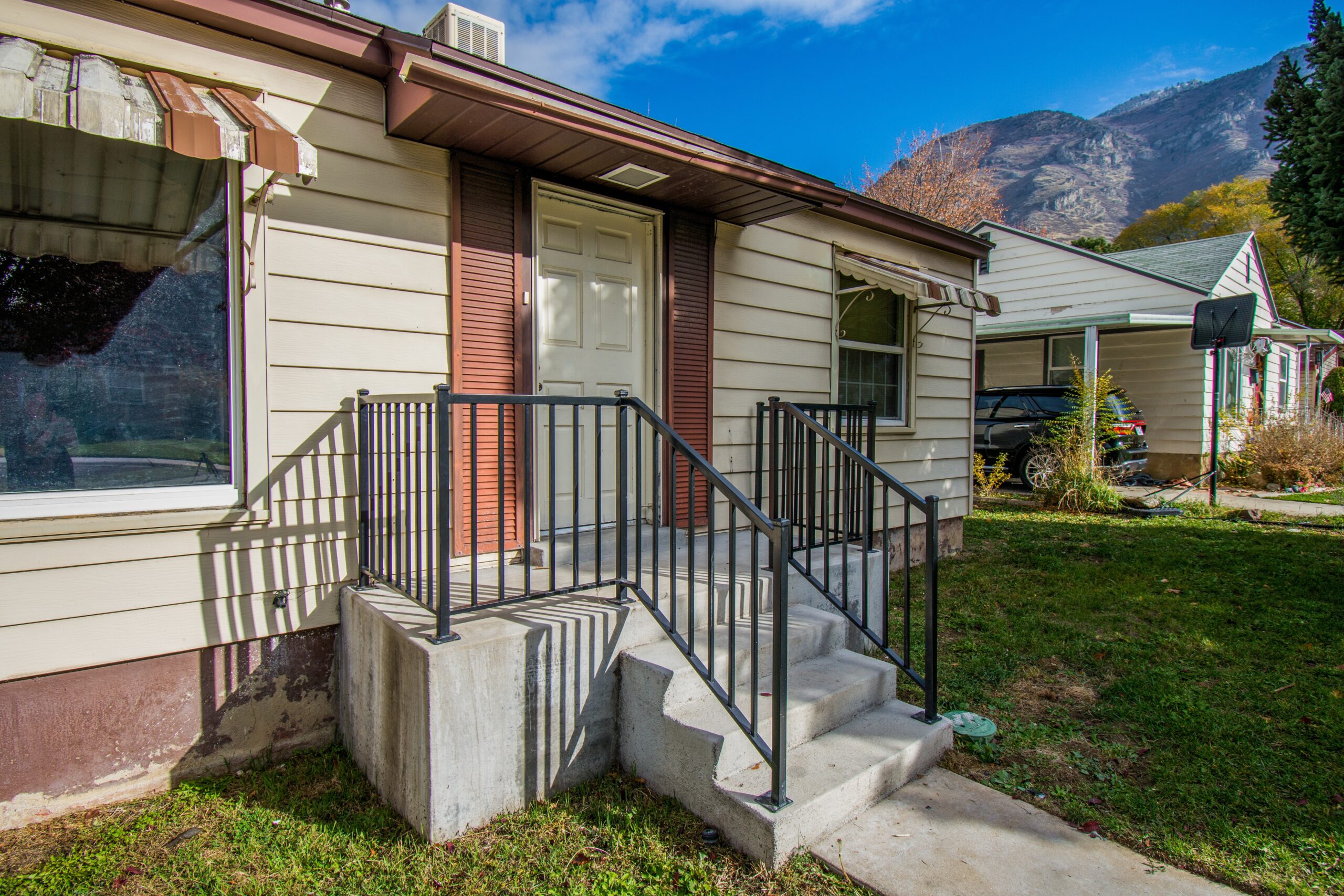
Buying a Home in Hainault? Roofing Questions Worth Asking Before You Commit
During a house viewing, it is easy to spend more time looking at the
Roofing in Emerson Park: Why Roof Valleys and Junctions Deserve a Closer Look
A roof can look perfectly tidy from the driveway and still have a problem
Flat Roof Problems in Chadwell Heath: When a Small Leak Is Telling You Something Bigger
Flat roofs are useful. They allow extensions to be built without a large pitched structure,