Slate Roof or Tiled Roof: Which Option Is Right for Your Property?
When a pitched roof needs replacing, choosing the new roof covering is an important decision. Slate and roofing tiles can both provide effective weather protection, but they differ in appearance, weight, cost, maintenance requirements and suitability for particular buildings.
The correct choice should not be based on appearance alone. The roof pitch, supporting structure, local character and condition of the existing building must all be considered.
A professional roofing assessment can help determine whether the current covering should be retained, repaired or replaced with a suitable alternative.
Natural Slate Roofing
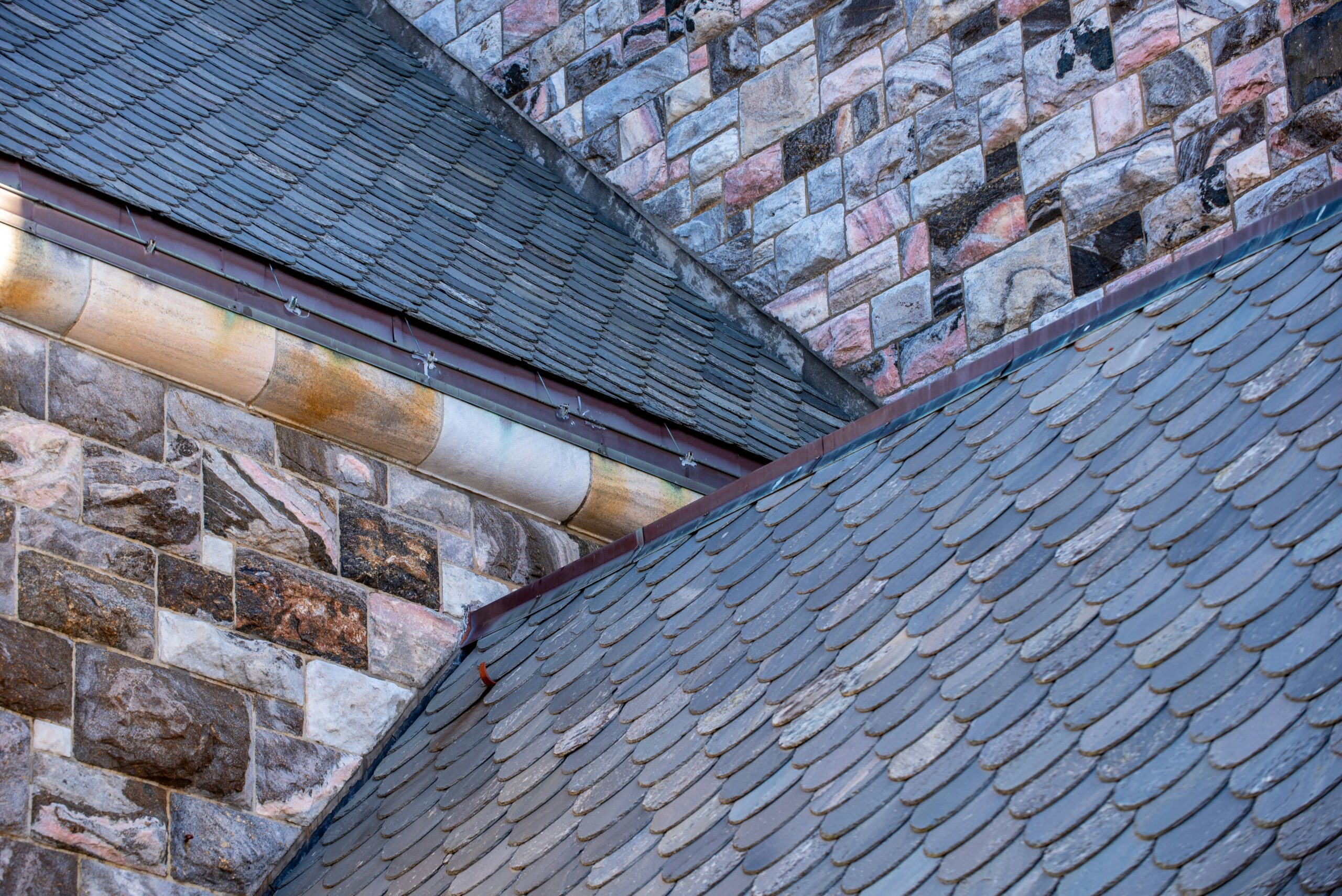
Natural slate is a traditional roofing material used on many period and high-quality residential properties.
Each slate is made from quarried stone, giving it natural colour and texture variations. A well-installed slate roof can provide an attractive and refined appearance.
Natural slate is often selected for:
- Period houses
- Conservation-sensitive properties
- Traditional terraces
- High-specification renovations
- Buildings where the original roof was slate
- Homeowners seeking a natural material
Because slate is relatively thin, the finished roof can have clean and precise lines.
However, natural slate quality can vary. The source, thickness, grading and suitability for the UK climate should be considered when selecting a product.
Fibre-Cement Slate
Fibre-cement slates are manufactured products designed to provide a regular slate-like appearance.
They are often lighter and more uniform than natural slate. This can make installation straightforward on suitable roofs.
They may be used for new roofs, extensions, garages and renovation projects where a consistent finish is preferred.
Fibre-cement slate should not automatically be treated as an exact replacement for natural slate. The texture, edge detail and weathering characteristics differ.
Planning restrictions or the character of a building may also influence whether a manufactured slate is appropriate.
Clay Roof Tiles
Clay tiles are made by shaping and firing natural clay. They are available in different profiles, colours and finishes.
Plain clay tiles are frequently associated with traditional properties, while profiled clay tiles may be used on a wider range of homes.
The natural variation between clay tiles can add character to a roof. Over time, the surface may weather in a way that complements older brickwork and traditional architecture.
Clay tiles are often chosen when:
- Matching an existing traditional roof
- Replacing old plain tiles
- Extending a period property
- Maintaining a warm, natural roof colour
- Working in an area with a strong local tile character
As with all roof coverings, the supporting structure must be suitable for the product selected.
Concrete Roof Tiles
Concrete tiles are widely used on UK homes and are available in both flat and profiled designs.
They can provide a practical solution for many modern, suburban and post-war properties. A range of colours and styles is available, making it possible to coordinate the roof with existing brickwork and neighbouring homes.
Concrete tiles may have a more uniform appearance than handmade clay products.
Their weight can vary considerably, so the roof structure should be assessed before replacing a lighter covering with a heavier alternative.
Choosing a tile purely because it resembles the existing roof is not enough. The dimensions, fixing method, minimum roof pitch and loading must all be appropriate.
Roof Weight and Structural Suitability
Different roofing materials place different loads on the roof structure.
A building originally designed for slate may not automatically be suitable for a much heavier tile without assessment. Similarly, reducing the roof-covering weight can sometimes change how the structure responds to wind forces.
Signs that the roof structure may need attention include:
- Sagging roof slopes
- Cracked or split rafters
- Previous makeshift strengthening
- Excessive movement
- Distorted ceilings
- Rotten timber
- Damage around chimney openings
- Uneven ridge lines
Where there is uncertainty, structural advice may be required before a new covering is installed.
Roof Pitch
Every tile or slate product is designed to perform within specific roof-pitch limits.
A roof with a relatively low pitch requires a covering and installation system suitable for slower water drainage and greater exposure to wind-driven rain.
Using a material below its recommended pitch can increase the risk of water entering beneath the covering.
The overlap, headlap, fixing pattern, underlay and batten arrangement must also follow the requirements for the selected product.
Extensions and dormers sometimes have lower roof pitches than the main house, so the same tile may not be appropriate across every roof section.
Matching the Property
The roof forms a large and highly visible part of a building. Its colour, texture and profile can significantly change the overall appearance.
When selecting a covering, consider:
- The age and style of the house
- Existing brick or render colours
- Nearby properties
- Original roof materials
- Planning or conservation restrictions
- The size and complexity of the roof
- Chimneys, valleys and rooflights
- Future extension plans
A large, heavily profiled tile may overpower a small period property, while a very flat modern product may look unrelated to a traditional home.
The objective should be to protect the building while maintaining a balanced appearance.
Repairing Rather Than Replacing
A damaged roof does not always require complete replacement.
Local repairs may be possible when:
- Only a few slates or tiles are broken
- The roof structure remains sound
- Flashing needs repair
- Ridge or hip tiles are loose
- Damage is limited to one area
- Matching replacement materials are available
- The underlay and battens remain serviceable
Replacement becomes more likely when defects are widespread, the covering has reached the end of its useful condition or repeated repairs are no longer resolving the problems.
An inspection can help distinguish isolated damage from general roof failure.
Ventilation, Underlay and Battens
A roof replacement involves more than installing new tiles or slates.
Once the old covering is removed, the condition of the battens, underlay and supporting timbers can be checked.
Damaged or unsuitable materials may need replacement. Ventilation should also be considered so the roof space can manage moisture correctly.
The detailing around chimneys, valleys, walls, vents, rooflights and gutters is just as important as the main covering. Many future leaks originate at these junctions rather than through the centre of a tile or slate.
Choosing the Right Roofing Solution
There is no single material that is best for every roof.
Natural slate may suit a traditional or premium project. Clay tiles may complement period brickwork. Concrete tiles can provide a practical solution for many family homes, while fibre-cement slates may be appropriate for selected new or replacement roofs.
The final decision should consider:
- Structural capacity
- Roof pitch
- Building character
- Product quality
- Planning requirements
- Installation details
- Maintenance expectations
- Overall project budget
Romford Roofing Services can assess existing pitched roofs and provide advice on repairs, replacement coverings and suitable roofing materials.
Contact the team if your slate or tiled roof is damaged, ageing or being considered for complete replacement.

Related Posts
Chimney Repairs in Dagenham: Signs Your Chimney and Leadwork Need Attention
Chimneys remain a common feature on many homes across Dagenham. Even when a fireplace
Fascia, Soffit and Gutter Replacement in Chigwell: Protecting Your Roofline
The roofline is the area where the lower edge of a roof meets the
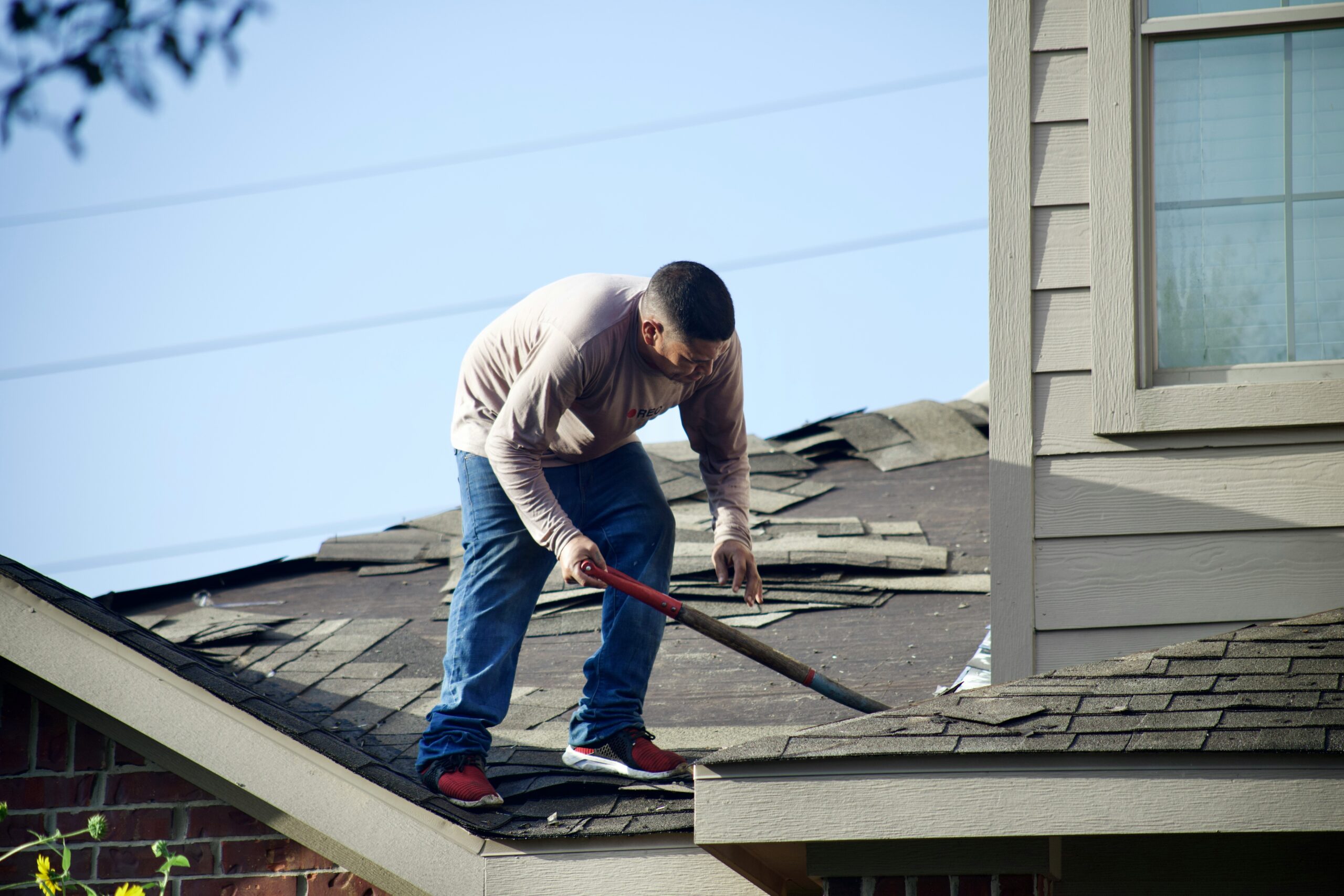
What to Do When You Notice a Roof Leak
A roof leak can be stressful for any homeowner. Even a small drip or